
(Estimated reading time- 8 minutes)
We all are familiar with death, an unfortunate episode in life that brings sadness and difficulties to an affected family. Even though the global death rate has gone down in significant numbers, people still die and will continue to die, it’s an undeniable fact in life. It’s estimated that 105 people die each minute globally on average. Beside people, other living beings also die in huge numbers every day. Death in traditional sense is something that brings ending to a living being. But does life really end there? If not, what comes next? Where do we go from there?

It’s realistic to say that there’s no ending to anything, to any living or non-living things. I’m, of course, speaking from an atomic point of view. If we conclude that death is the ultimate ending to everything, then we’re ignoring all the scientific facts, all the discoveries made since the beginning of humanity and our common sense as human beings. We’re also disobeying the law of conservation of mass which may not amount to a felony in a civil court but enough to upset a scientist. The law says you cannot create or destroy mass. Everyone knows this law, even people who’ve never had a science class. This is the first piece of information every dad whispers to their new born child’s ears immediately after birth (really?).

Everything including us is made up of atoms which arrange themselves in very specific orders to create molecules and finally give a specific shape, size and look to a living organism. Every atom has a mass to it. This means every atom in our body had to come from somewhere and has to go somewhere since they’re indestructible. But where do atoms go?
Nature has ways to collect and assemble all the atoms needed to make a living being. The instructions it follows in this mega assembly process come from DNA. Once something dies, it’s again up to the nature to disintegrate all the atoms and molecules that it had previously put together to make us. The process it follows to complete this enormous task is called decomposition and it runs through several stages. In each stage, the law of conservation of mass is strictly followed and obeyed. Some parts of us are consumed by other living beings and when time comes, those living beings also get consumed by others and this cycle continues. Some parts of us are called in and get assembled to form other lives, this is also a cycle which continues. There are parts of us that wander around for years before getting to participate in something. Some molecules become part of the soil. The air we breathe may contain trace amounts of gases that generate from the decomposition process. Some molecules mix with water we drink in trace amounts. Eventually, every atom and molecule that once collectively hosted a life is scattered across everywhere and becomes part of something else. No atom can sit around and spend lazy time, it must become part of something new and continue its journey until the end of time. This whole thing is a recycling process dictated by the law of conservation of mass. Since you can’t manufacture new atoms, you must recycle the old ones. Atoms in our body and in objects around us are billions of years old and all came from different places.
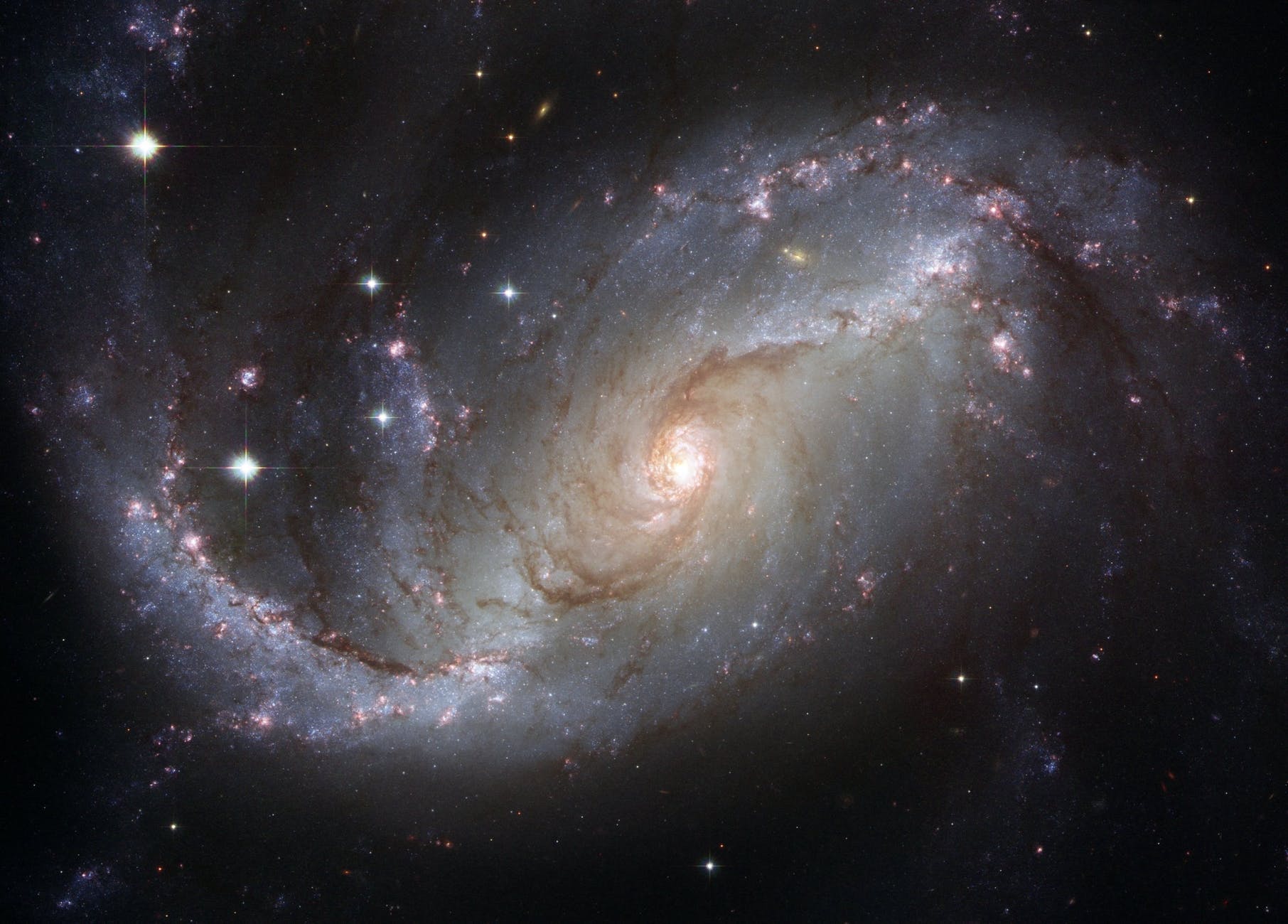
Wait a minute, does this mean the people we lost are still around us? In physical sense, yes they’re but in molecular form as part of things we see, touch and eat. To your sadness, you can never collect and put all the atoms back together in the original order and make your relatives show up again. What can be done in their respect is taking good care of all things around us, living and non-living, because our relatives may well be among them.





 SHAHED I. NOYON
Leave a comment